Podcast: Play in new window | Download (Duration: 19:33 — 26.9MB)
Subscribe: RSS
Summary
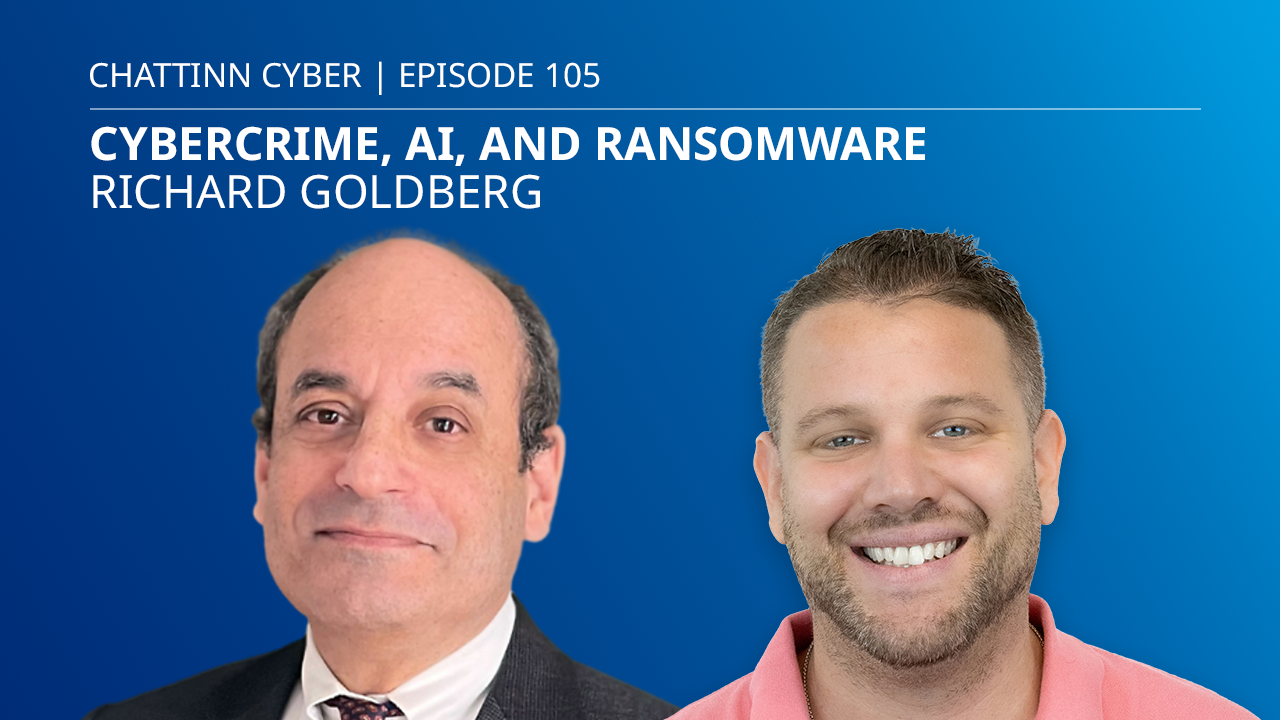
In this episode of Chattinn Cyber, Marc Schein is chattin’ with Richard Goldberg, a seasoned cyber attorney with deep experience in data breach response, cybercrime prosecution, and advising organizations through complex incidents. Their chat opens with Goldberg’s background at the U.S. Department of Justice and his path into cyber law, which began when he volunteered to become the office’s computer expert. From there, the conversation quickly moves into the modern threat landscape and the kinds of incidents companies are facing in 2026.
A major theme is how ransomware has evolved. Goldberg explains that many attacks are no longer primarily about locking systems and demanding payment for a decryptor. Instead, attackers increasingly rely on data extortion: they steal sensitive information and threaten to publish it unless the victim pays. He notes that organizations have improved their resilience by strengthening backups and recovery capabilities, which has forced cybercriminals to adapt their tactics.
Their chat also explores the role of artificial intelligence in cybersecurity. Goldberg takes a cautious view, saying it is difficult to know whether AI is helping attackers get into systems more effectively, but he does see potential benefits for defenders. He points out that AI could help close gaps caused by human limitations, such as the delay between discovering a vulnerability and applying a patch. At the same time, he warns that AI is still unreliable and can produce bad outputs, so human oversight remains essential.
Another major topic is cyber insurance and its practical value during a breach. Goldberg makes a strong case that insurance is about more than just financial coverage. He says insurers typically connect clients with highly qualified response teams and can help reduce costs through pre-negotiated rates. He also contrasts insured and uninsured incidents, arguing that having cyber insurance can make a significant difference in both speed and quality of response when an organization is under pressure.
The chat closes with broader best practices and legal risks. Goldberg emphasizes tabletop exercises, pre-breach planning, gap analysis, penetration testing, and using specialists instead of generalists for cyber incidents. He also discusses the rise in class action litigation and warns against companies trying to “attack back” without understanding the legal consequences. Overall, the episode presents a practical, insider’s view of how cyber incidents unfold and why preparation, expertise, and the right advisors matter.
Key Points
- Ransomware has shifted toward data extortion rather than just encryption and ransom demands.
- Cyber insurance adds real operational value by connecting companies with qualified response teams and lowering friction during a breach.
- AI may help defenders, but it is not reliable enough to replace humans and may also aid attackers.
- Pre-breach preparation matters: tabletop exercises, risk analysis, and penetration testing can reduce damage.
- Specialized cyber counsel is critical because cyber incidents involve law enforcement, regulators, forensic teams, and class action exposure.
Key Quotes
- “The tactics are evolving.”
- “A lot of ransomware attacks have become essentially data extortion attacks.”
- “I don’t know [whether AI is helping attackers or defenders].”
- “It’s a little bit of night and day.” — describing the difference cyber insurance makes in a breach response.
- “You need an expert because we may know things about doing this that somebody who isn’t doing it multiple times every day.”
About Our Guest
Richard Goldberg is a vice chair of the Constangy Cyber Team based in Philadelphia, Pennsylvania, where he advises clients on all aspects of data privacy and cybersecurity, with particular emphasis on incident response, crisis management, and regulatory investigations. With more than 25 years of experience, he has guided organizations through data breaches ranging from localized business email compromises to major global security events affecting millions of individuals across multiple jurisdictions. Clients also value Richard’s perspective as a former cyber attorney with the U.S. Department of Justice, where he prosecuted cybercrime and intellectual property offenses and led responses to sophisticated threat activity. He is frequently called upon to support regulatory compliance following data incidents, including matters involving multi-agency investigations and international, federal, and state privacy frameworks. Follow Our Guest Website | LinkedIn
About Our Host
National co-chair of the Cyber Center for Excellence, Marc Schein, CIC,CLCS is also a Risk Management Consultant at Marsh McLennan Agency. He assists clients by customizing comprehensive commercial insurance programs that minimize the burden of financial loss through cost effective transfer of risk. By conducting a Total Cost of Risk (TCoR) assessment, he can determine any gaps in coverage. As part of an effective risk management insurance team, Marc collaborates with senior risk consultants, certified insurance counselors, and expert underwriters to examine the adequacy of existing client programs and develop customized solutions to transfer risk, improve coverage and minimize premiums.
Follow Our Host